Sponsored by:

Imperial Valley White Gold Rush [Living in Lithium Valley Summary]
Welcome to Lithium Valley
About this Post
This post is a discussion about the potential of the Imperial Valley being called "Lithium Valley", as a major lithium production hub. The summary includes key takeaways discussed on the Columbia Broadcasting System (CBS) News Show 60 Minutes in May 2023. The conversation covered the potential environmental and economic impacts of lithium extraction.
Groundbreaking of Phase I of Hell's Kitchen took place on January 26 2024.
The conversation continued by discussing the use of lithium in electric vehicles, and the involvement of various companies in the process.
Frederic Din, your local friendly guide to Living in the Imperial Valley, wants to hear from you!
Before we get to the discussion, I'd like to hear your thoughts on this matter.

Questions To Consider and Discuss as you read the post (please comment):
Where you are reading from; are you local?
Are you located in another state or country?
What interest do you have in the Imperial Valley and lithium?
Are you excited about the prospect of lithium extraction in the Imperial Valley?
Do you believe the Valley will benefit from both economic and community growth?
Will the jobs created from the lithium extraction plant pull from local labor pools, or will these jobs go to outsiders?
What concerns do you have about large-scale companies coming to the Imperial Valley and using state of California funds for their projects?
Do you believe these companies should make their own investments in the region to have more "skin-in-the-game"?
I appreciate your time answering these questions and look forward to connecting with you.
Let's continue with the summary and introduce the key speakers.
Key speakers
- Eric Spomer, CEO of Energy Source Minerals
- Mark Stewart, COO of Stellantis North Americo
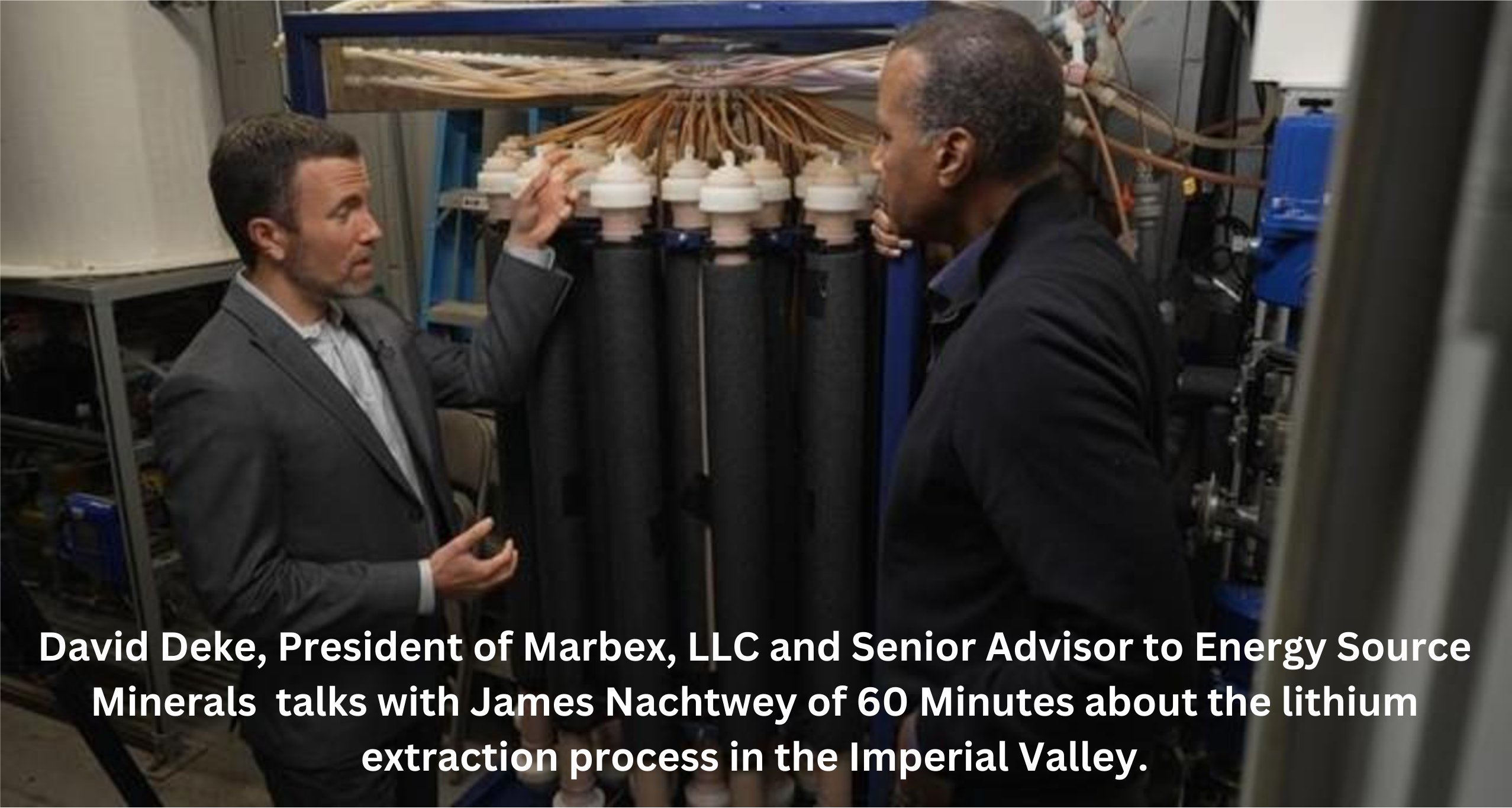
- David Deke, President, Marbex LLC, Senior Advisor to Energy Source
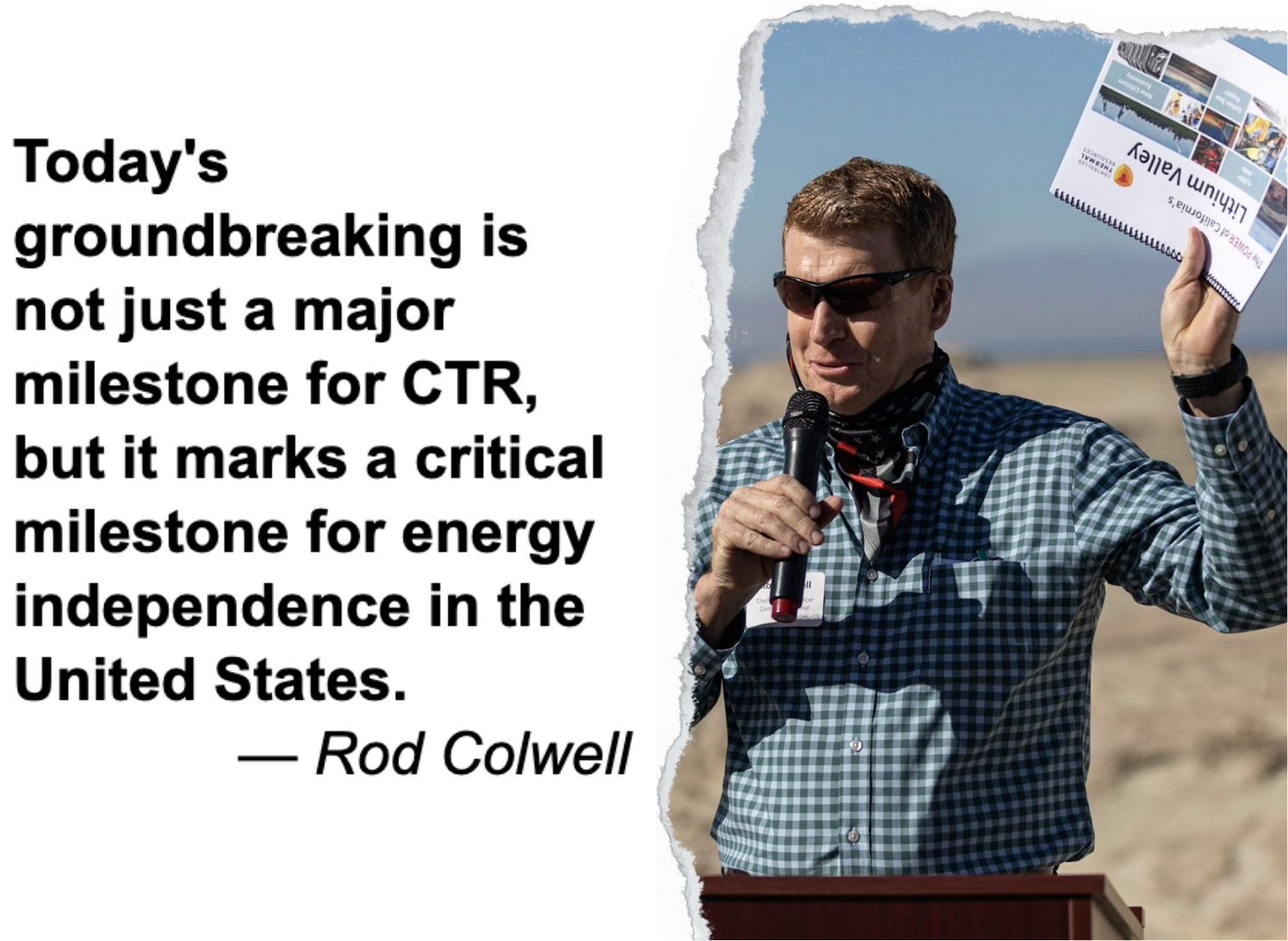
- Rod Colwell, CEO of Controlled Thermal Resources
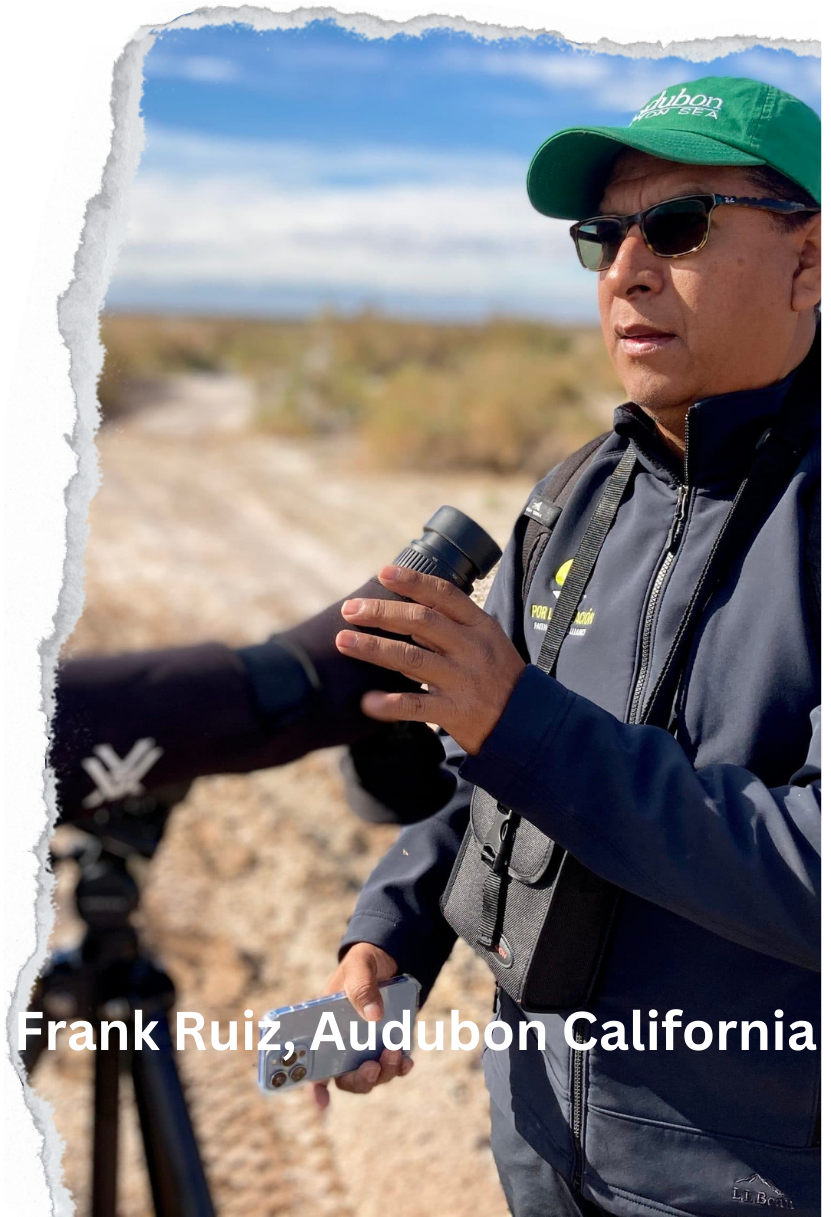
- Frank Ruiz, Local Program Director at the Audubon Society
Agenda
The main focus of the conversation was about the possibility of the Imperial Valley becoming a major producer of lithium. This could affect both the electric vehicle industry and the economy of the area.
Takeaway 1: Imperial Valley, California is experiencing a lithium boom, fueled by the rise in demand for electric vehicles.
Fred highlighted the significance of this new "California white gold rush" in the Imperial Valley, which has been dubbed "Lithium Valley." He stated, "That's right here, guys, in the Imperial Valley." The leading automobile manufacturers are making significant investments in electric cars that are powered by lithium batteries.
According to CEO Eric Spomer from Energy Source Minerals, our less optimistic estimate suggests that we could see about 7.5 million electric vehicles sold annually. He continues by saying "which would make up 50% of all car sales in the US."
According to Senior Advisor to Energy Source Minerals, Marbex, LLCs President, David Deke, it is crucial to focus on developing domestic lithium resources. There are abundant resources available in North America and in the Imperial Valley. They've just been undeveloped."
He also showcased the company's unique technology for extracting lithium from geothermal brine, stating that "Our process, in combination with this resource, will be the cleanest, most efficient lithium process in the world."
According to Spomer, by the year 2025, half of car sales in the United States will use lithium sourced from this region. This is due to the abundance of lithium in this area and the advanced technology for environmentally friendly extraction.
Takeaway 2: The rise of lithium could change the social and economic situation of the Imperial Valley. The region has long struggled with high levels of joblessness and financial challenges.
Frank Ruiz from the Audubon Society is optimistic about the industry's potential impact on the local community: "Governor Newsom called it the Saudi Arabia of lithium. I think it can change the landscape of the region… It can provide better pay jobs… It can provide more job opportunities, especially for the younger folks. It can provide the revenues to offset the challenges that we have here at the Salton Sea."
Despite the environmental implications of mining, Ruiz believes that a balance can be struck between industrial development and environmental conservation. He emphasized the need to find a middle ground, stating, "We need to learn how to balance the tables. Belief in industry can be really good for these communities."
Takeaway 2: The rise of lithium could change the social and economic situation of the Imperial Valley. The region has long struggled with high levels of joblessness and financial challenges.
Frank Ruiz from the Audubon Society is optimistic about the industry's potential impact on the local community: "Governor Newsom called it the Saudi Arabia of lithium. I think it can change the landscape of the region… It can provide better pay jobs… It can provide more job opportunities, especially for the younger folks. It can provide the revenues to offset the challenges that we have here at the Salton Sea."
Despite the environmental implications of mining, Ruiz believes that a balance can be struck between industrial development and environmental conservation. He emphasized the need to find a middle ground, stating, "We need to learn how to balance the tables. Belief in industry can be really good for these communities."
The anticipated lithium operations could provide a much-needed economic boost to the region, turning the Imperial Valley into "Lithium Valley." The industry's potential longevity, with geologists predicting that the lithium underground should last for generations, is an added benefit.
Takeaway 3: Leading car manufacturers must have access to domestic lithium to meet the increasing demand for electric vehicles. It's crucial to maintain a reliable supply chain.
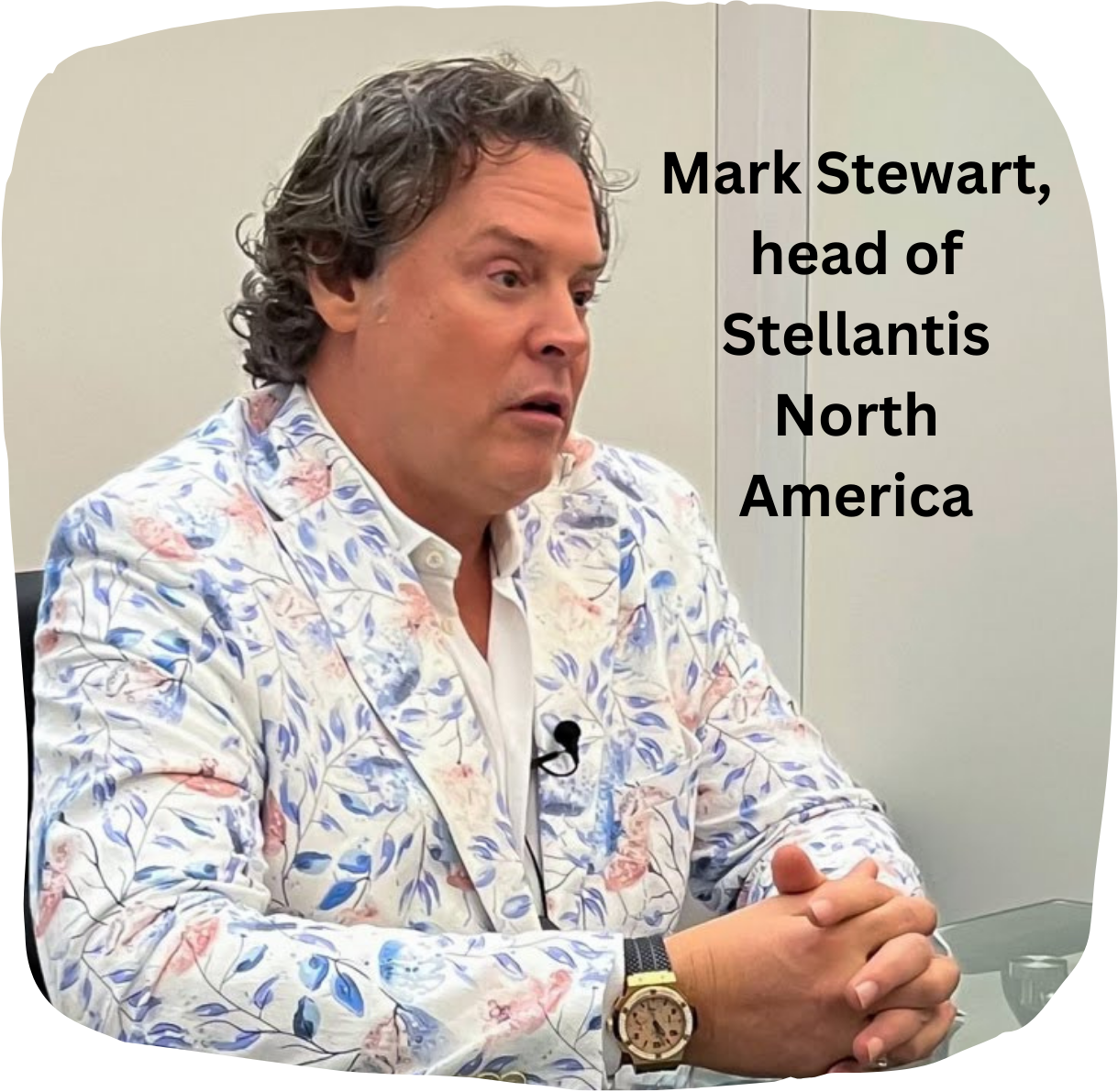
Mark Stewart, COO of Stellantis North America, expressed the significance of having a domestic source of lithium. He highlighted the company's commitment to buying lithium from Controlled Thermal Resources at the Salton Sea. "We secured a large supply from them over a ten year period because we are very positive on their technology.", said Stewart.
The push for domestic lithium is driven by a need for supply chain reliability and cost efficiency. Stewart explained, "Current lithium, what typically happens, it's mined in one spot, it's moved across the world for processing and comes back. Think of all that additional cost. Think of all that additional carbon that's being used to do that. And at the end, someone pays for it, and that's a consumer."
The development of a domestic lithium industry represents a competitive advantage for the US. As Eric Spomer of Energy Source put it, "It's a competitive advantage. It's an opportunity that we can be a leader globally. And why not lead?"
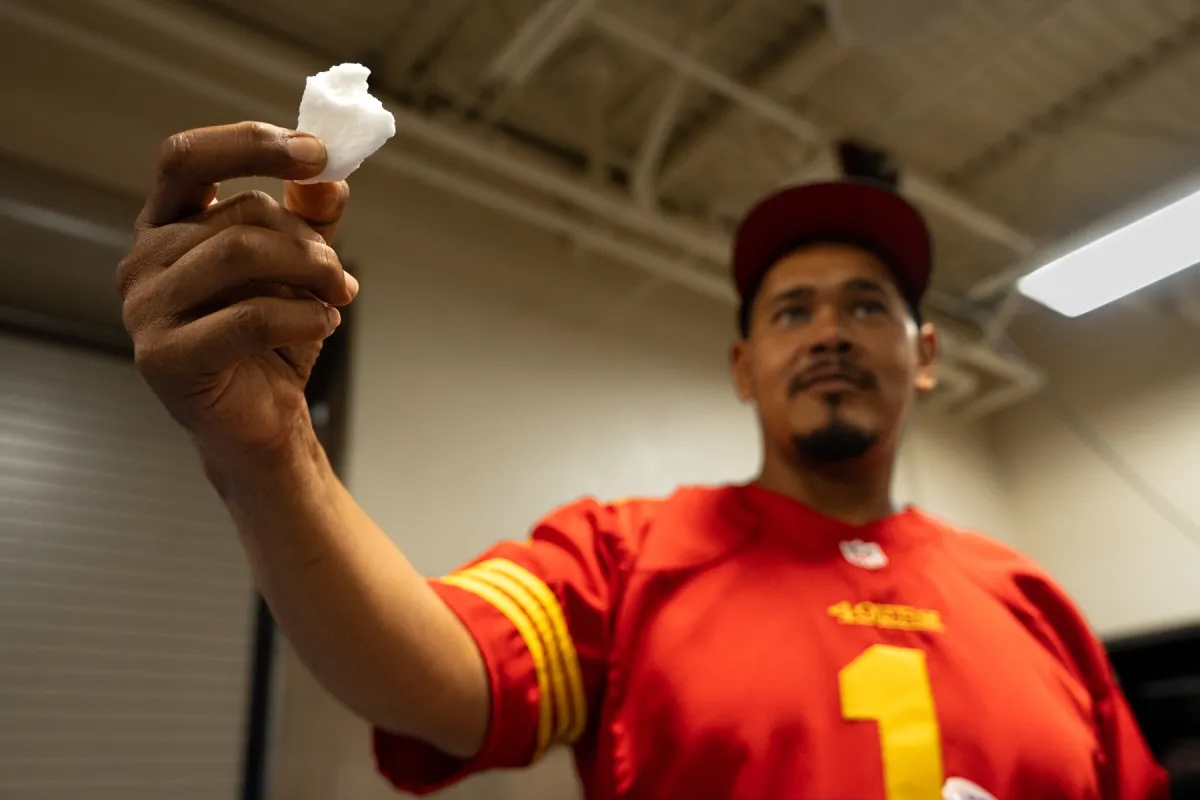
An employee holds a piece of "White Gold" Lithium from the Imperial Valley
Insights surfaced
- The Imperial Valley is home to a rich lithium resource that could produce more than half of the world's supply of lithium.
- Clean energy powers the lithium extraction process being developed in the area and is projected to be the cleanest and most efficient in the world.
- The lithium produced in the area could support the production of millions of electric vehicles.
- Major car companies, including Stellantis and General Motors, are investing heavily in the shift to electric vehicles and are securing supplies of lithium from the Imperial Valley.
- The development of a domestic lithium supply could help to reduce costs and carbon emissions associated with the global lithium supply chain.
- The development of the lithium industry in the Imperial Valley could provide a major boost to the local economy, which is currently one of the poorest areas in California.
On Location in Lithium Valley
Turn on your sound and press play, 11 second video
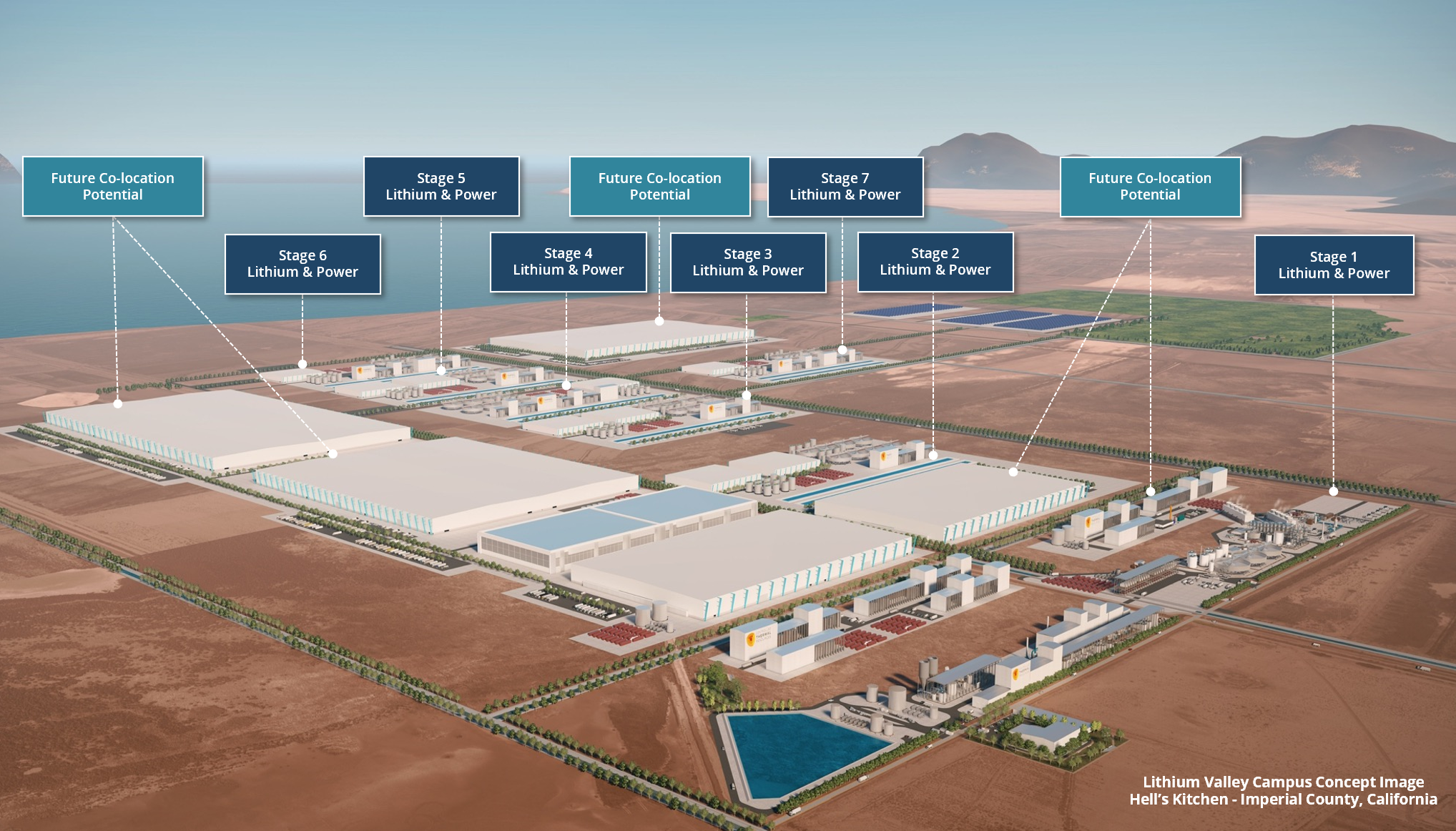
Lithium Valley Campus Concept, Hell's Kitchen, Imperial County
Key quotes and bibliography
- "It's a world class lithium resource. This is when you hear estimates of how big this resource could be. It's usually measured on annual tons produced, and we're confident that this is in excess of 300,000 tons a year. Right now, that's way more than half of the world supply of lithium." - Eric Spomer
- "Our more conservative projection would support seven and a half million electric vehicles a year, which is half of the total US car sales." - Eric Spomer
- "It really is, quote, unquote, the industrial revolution. The next phase. Right. This is the most interesting and exciting time to be a part of our industry." - Mark Stewart
- "Our process, in combination with this resource, will be the cleanest, most efficient lithium process in the world." - Eric Spomer
- "Governor Newsom called it the Saudi Arabia of lithium. I think it can change the landscape of the region." - Frank Ruiz
- "It's a competitive advantage. It's an opportunity that we can be a leader globally. And why not lead?" - Eric Spomer.

Hi, nice to meet you!
Meet Frederic Din, the passionate founder of Living In The Imperial Valley blog and YouTube channels. Born and raised in the Imperial Valley, Frederic has a deep-rooted connection to this vibrant community. While attending computer college, he discovered his affinity for the business aspect rather than computer coding.

Let's Connect!
Sponsored by:

Thank you for sponsoring our blog.
About Imperial House Partners:
We Make Buying Your House Easy as 1, 2, 3
By eliminating the middle person, (real estate brokers and agents, mortgage banks, inspectors, appraisers, repairs, etc.) and by paying cash we significantly un-complicate things.
We simplify the process providing you with
Speed. Convenience. Dignity.
Living In The Imperial Valley
Subscribe now to get bi-weekly updates.
©2024 Living In The Imperial Valley